Our comprehensive suite of services deliver unparalleled speed, simplicity and safety that allows you to access, store and share information with anyone, anywhere, at any time.
We are a multi-disciplinary technology powerhouse, committed to keeping our customers secure and connected. We partner with our customers to boldly embrace the challenges of tomorrow, ignite innovation, and facilitate growth.
Trusted Partner
Our customers don’t just trust us to keep them productive and secure today, but to prepare them for what’s next, to grow with them over time and to collaboratively shape their future.
Strategic Advisor
With deep expertise in multiple facets of technology, our customers rely on us to provide them with strategic advice and guidance, helping them make smart moves towards a secure future.
Solution Provider
Our versatile suite of skills enables us to tackle complex challenges for our customers, providing them with complete business solutions that draw from our vast pool of expertise and resources.
“As an organisation focused on helping communities experiencing hardship and injustice, The Salvation Army sought a partner that could simplify the technology landscape and provide a safe pair of hands. Orro have worked collaboratively with TSA, providing technical leadership and guidance along our technology journey.”
Craig Tucker, Chief Information Officer — The Salvation Army
‘As an industry leader that prides itself on achieving exceptional clinical outcomes, Healthscope went to market in search of a network partner that aspires to the same level of excellence. Orro demonstrated a willingness to listen and understand our unique business challenges, and designed a solution that future-proofed our mission critical technology environment.”
Barbara Mackenzie, Chief Technology Officer — Healthscope
“I’ve really appreciated the team’s energy, professionalism, willingness to listen and adapt, and ultimately, ability to deliver results. It’s been a great start to our partnership, and I look forward to celebrating many more milestones together.”
Christina Chu, General Manager Technology — Australia Post
“The team have gone the extra mile to craft solutions with us that meet our requirements. They work with us to constantly refine the solution delivered. What we have been delivered Just gets better and better.”
Ben Barnes, Technology Business Support Leader — Flight Centre
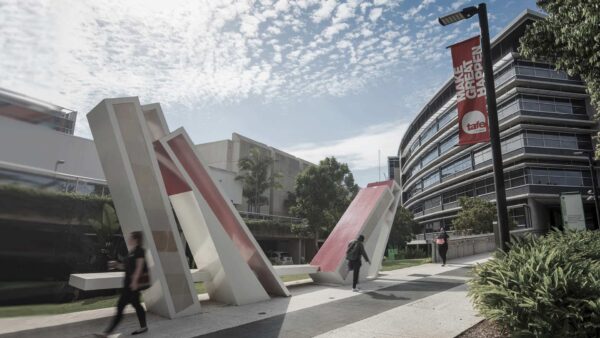
Upgrading TAFE Queensland’s network to support the next generation of students
In order to bring the best-in-class learning experiences to their students, TAFE Queensland sought Orro’s help to upgrade and future-proof their network.
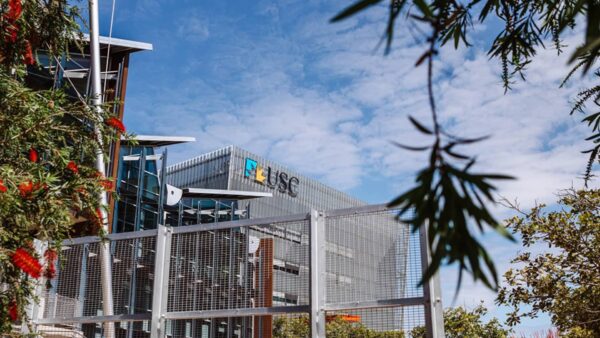
Data centre network upgrade future-proofs university
The University of Sunshine Coast (UniSC) was experiencing a number of hardware and software issues and outages due to their aging data centre.
Community protection for Townsville City Council – vital in the face of growing cyber threats
Townsville City Council (TCC) engaged Orro to provide a new managed cybersecurity service. TCC was seeking to increase its resilience against threats with an automated approach to cybersecurity.
Australia Post
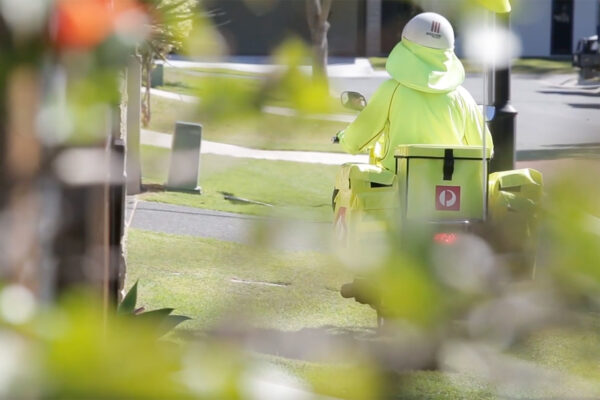
Australia Post is one of Australia’s most recognisable and trusted brands, supporting more than 12 million households across Australia. In 2021, Australia Post completed a milestone network transformation project, which transitioned 4,000 Australia Post sites across the country to high-speed connections and intelligent network management services.
24×7 Security Operations & Management
Our client is an award winning Australian Financial Services Client with an Australian and International presence with a focus on consumer lending and asset servicing. This client has offices in Australia, New Zealand, Asia and Europe.
Cyber Security | Global Insurer
Our client is an Australian company providing financial services nationwide as well as in 26 other countries. The client is also ranked among the world’s top general insurers.